

Breast Augmentation
Breast augmentation uses implants to increase breast size and improve shape. Women seek this procedure to restore volume after pregnancy or weight loss, address naturally smaller breasts, or improve asymmetry. Surgery is performed under general anaesthetic, with implant type, size, and placement chosen during consultation to suit your body and goals.
What does the Breast Augmentation procedure involve?
During your consultation, your surgeon will assess your anatomy, take measurements, and discuss implant options — including silicone or saline, round or anatomical shapes, and different profiles. Sizing implants may be used to help you visualise likely outcomes.
Surgery takes one to two hours. An incision is made in one of three locations: in the natural breast crease (inframammary), around the lower nipple border (periareolar), or in the armpit (transaxillary). The implant is placed either beneath the breast tissue or partially under the chest muscle, depending on your anatomy and the desired result. Incisions are closed with dissolvable sutures, and a supportive surgical bra is fitted.
Your Recovery
Most patients go home the same day or after one night. Swelling, bruising, and discomfort are common in the first week and managed with prescribed pain relief. A supportive bra is worn for several weeks, and you should avoid strenuous activity and heavy lifting for four to six weeks. Breast shape continues to settle over three to six months.
Risks and Complications
As with any surgery, risks include:
Infection, bleeding, or haematoma
Changes in nipple or breast sensation (temporary or permanent)
Capsular contracture — scar tissue tightening around the implant
Implant rupture, malposition, or asymmetry
Visible implant edges, particularly in patients with minimal breast tissue
Scarring
Breast Implant-Associated Anaplastic Large Cell Lymphoma (BIA-ALCL) — rare, associated with textured implants
Need for revision surgery
Breast implants are not lifetime devices and may eventually require replacement or removal.
Frequently Asked Questions
How long do implants last?
Many last ten to twenty years or longer, but some require earlier replacement due to rupture, contracture, or changing preferences. Regular monitoring is recommended.
Can I breastfeed after augmentation?
Many women breastfeed successfully after augmentation, though some experience difficulties. The periareolar incision carries a slightly higher risk of affecting milk ducts.
Will implants affect mammogram screening?
Inform your radiographer about your implants so specialised techniques can be used to obtain clear images.
When will I see my final results?
Initial swelling resolves within a few weeks, but full settling takes three to six months.
When can I go back to exercise?
You can return to lower-body in two weeks and full-body exercise from four weeks depending on the size of the breast.
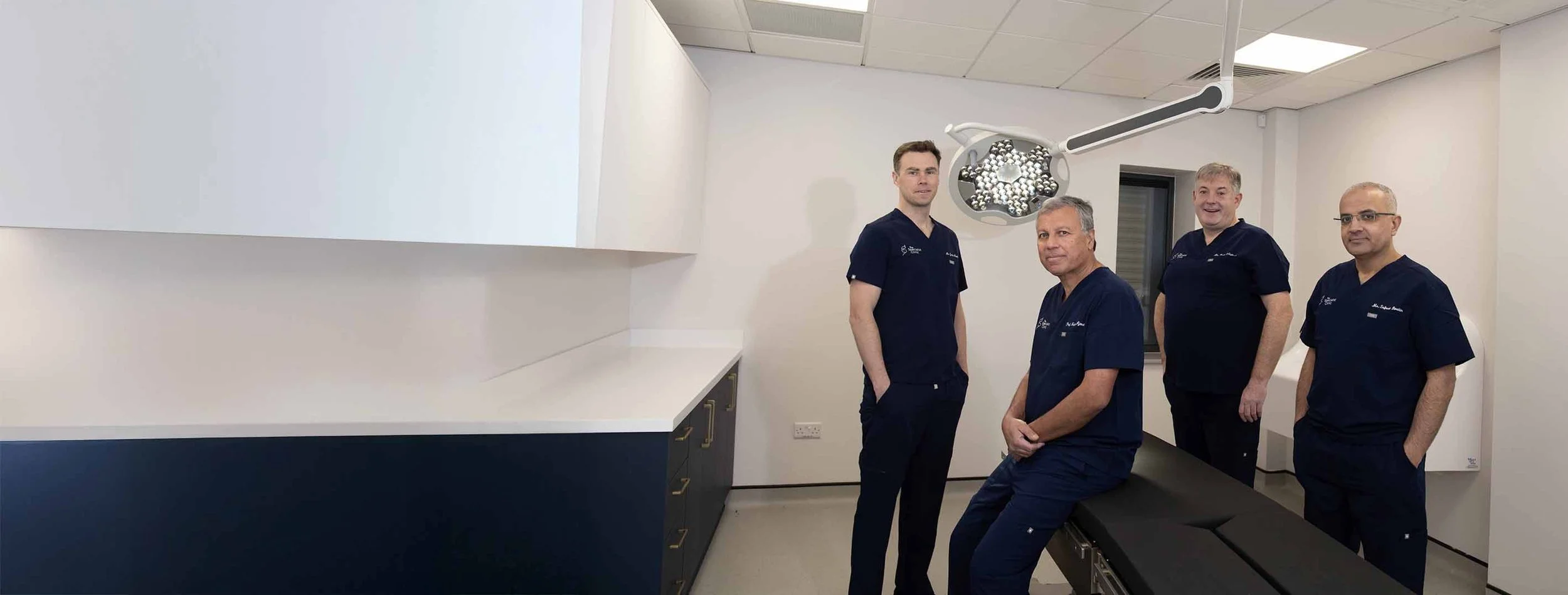
Plastic, Reconstructive & Aesthetic Surgery performed with Care and Compassion
To find out whether breast augmentation is right for you, contact us to arrange a consultation. Our surgeons will assess your individual circumstances, discuss your goals, and explain what the procedure, recovery, and results realistically involve.