

Complex Reconstruction and Microsurgery
Complex reconstruction and microsurgery encompass advanced surgical techniques that are used to restore form and function following trauma, cancer resection, congenital abnormalities, or failed previous surgeries. Our consultant plastic surgeons are trained in microsurgical techniques that allow tissue — including skin, muscle, bone, and nerves — to be transferred from one part of the body to another to reconstruct defects that cannot be addressed with simpler approaches. Common applications include breast reconstruction, head and neck reconstruction after cancer surgery, lower limb salvage following trauma, and lymphedema treatment.
What does Microsurgery involve?
Microsurgery refers to surgery performed under an operating microscope to reconnect extremely small blood vessels (one to three millimetres in diameter), nerves, and lymphatic vessels. This allows free tissue transfer — tissue is completely detached from its donor site, moved to a distant recipient site, and blood flow is re-established by reconnecting vessels under magnification. Procedures of this complexity typically take six to twelve hours, require specialised equipment and multidisciplinary care, and involve a hospital stay of five to fourteen days.
During recovery, the transferred tissue is monitored hourly for the first forty-eight to seventy-two hours to ensure blood flow remains adequate. Any compromise requires immediate return to theatre.
Common Applications
Breast reconstruction: DIEP flap and other autologous techniques — described in detail in the Breast Reconstruction section.
Head and neck reconstruction: After oral, pharyngeal, or facial cancer surgery, flaps restore speech, swallowing, and appearance.
Lower limb reconstruction: Microsurgical coverage for exposed bone, tendon, or joints following trauma, potentially saving limbs that would otherwise require amputation.
Hand surgery and replantation: Reattaching severed fingers, hands, or limbs; nerve repair; toe-to-thumb transfers.
Lymphedema surgery: Lymph node transfer and lymphovenous anastomosis to improve lymphatic drainage after cancer treatment.
Risks and Complications
Microsurgical reconstruction carries significant risks. Flap failure — partial or complete loss of transferred tissue due to blood clot — occurs in approximately two to five per cent of cases, requiring immediate return to theatre. General surgical risks include infection, bleeding, wound healing problems, and donor site complications. Due to procedure length, deep vein thrombosis is a particular concern. Multiple additional surgeries for refinement are often needed over one to two years.
Frequently Asked Questions
How long does microsurgery take?
Typically six to twelve hours, sometimes longer. The vessel reconnection alone can take one to three hours.
What is the success rate?
In experienced hands, flap survival exceeds ninety-five per cent. Close monitoring for the first seventy-two hours is critical.
Will I need further surgery?
Most complex reconstructions require staged procedures. Plan for the possibility of two to four operations over one to two years for optimal results.
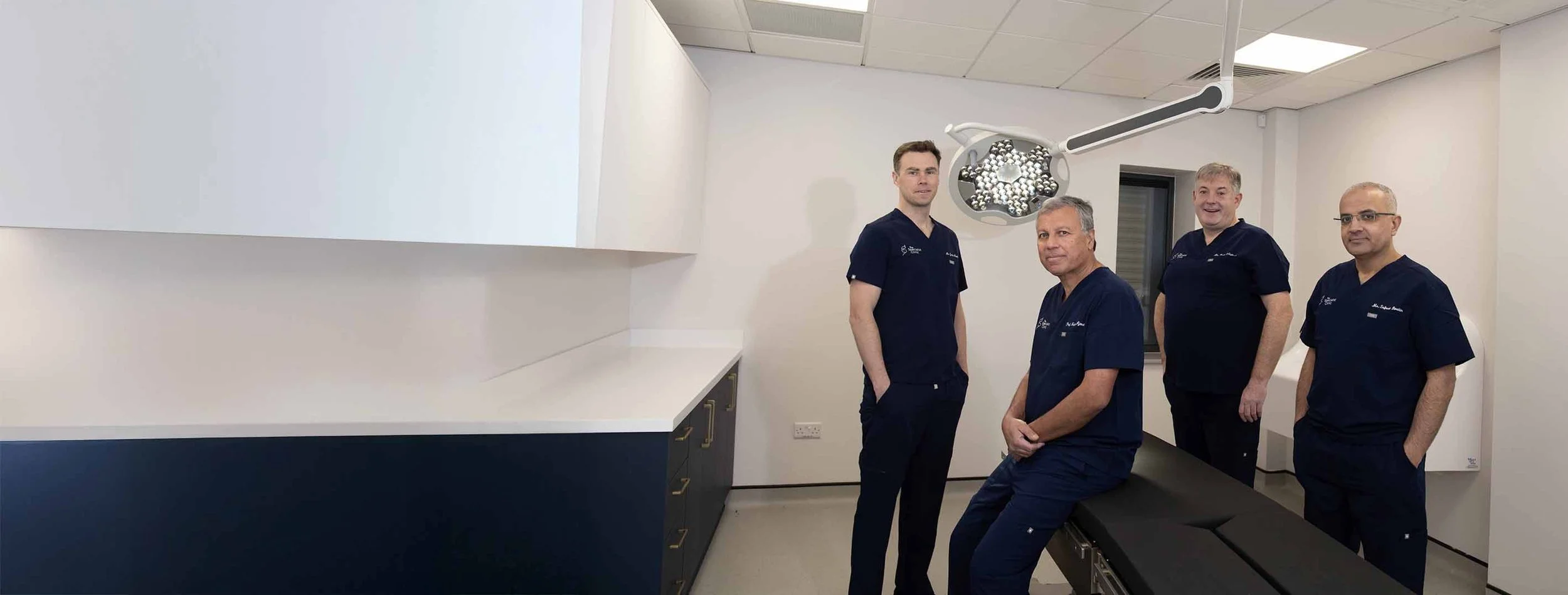
Plastic, Reconstructive & Aesthetic Surgery performed with Care and Compassion
Complex reconstruction requires specialised expertise and careful planning. Contact us to arrange a consultation, where we will assess your situation, review all reconstructive options, and coordinate with other specialists as needed.