

Breast Reconstruction
Breast reconstruction rebuilds the breast shape following mastectomy or significant tissue removal for cancer treatment or risk reduction. It can be performed immediately at the time of mastectomy or months to years later. Reconstruction can restore breast volume and shape using implants, your own tissue (autologous reconstruction), or a combination. The best approach depends on your body type, cancer treatment plan, and personal preferences, and is planned in close coordination with your oncology team.
Timing
Immediate reconstruction is performed at the same time as mastectomy, offering psychological benefits and often better aesthetic outcomes. Delayed reconstruction allows cancer treatment to be completed first and may be necessary when radiotherapy is planned. A delayed-immediate approach places a tissue expander at mastectomy to preserve the skin envelope, with permanent reconstruction following treatment.
Reconstruction Options
Implant-based reconstruction is the most common approach. A tissue expander is placed at mastectomy and gradually filled with saline over several months to stretch the skin, before being replaced with a permanent silicone implant in a second procedure. Biological mesh (acellular dermal matrix) may be used to support the implant and improve contour.
Autologous reconstruction uses your own tissue from another part of the body. This creates a breast that feels more natural and ages with your body, avoiding implant-related complications. Common techniques include:
DIEP flap: Skin and fat from the lower abdomen, with abdominal muscles preserved. This is the gold standard autologous technique. Surgery takes six to eight hours.
Latissimus dorsi flap: Tissue from the back, often combined with an implant. A reliable option when abdominal tissue is not suitable.
Other flaps: Tissue from the buttock or inner thigh may be used when abdominal tissue is unavailable.
Nipple and areola reconstruction is typically performed as a final stage once the breast mound has settled. Options include local tissue flaps, tattooing, or a combination.
Recovery
Recovery varies significantly by technique. Implant-based reconstruction typically requires one to two nights in hospital, with a return to desk work in two to three weeks. Autologous reconstruction requires three to seven nights in hospital and four to six weeks before returning to work, with full recovery taking eight to twelve weeks. Regular follow-up with both your plastic surgeon and oncology team is essential.
Risks and Complications
General risks include infection, bleeding, wound healing problems, and asymmetry. Implant-specific risks include capsular contracture, malposition, rupture, and BIA-ALCL. Flap-specific risks include partial or complete flap loss, fat necrosis, and donor site complications. Your surgeon will discuss risks specific to your planned reconstruction in detail.
Frequently Asked Questions
Should I have immediate or delayed reconstruction?
This depends on whether radiotherapy is planned, your cancer treatment, body type, and personal preferences. Your surgeon will help you reach the right decision in coordination with your oncology team.
How many operations will I need?
Implant reconstruction typically requires two to three operations. Autologous reconstruction may require one to two, plus possible revisions. Surgery to the opposite breast for symmetry may add further procedures.
Will I have sensation in my reconstructed breast?
Most women experience significantly reduced or absent sensation, as mastectomy removes the nipple and disrupts nerves. Some sensation may return over time, but this is usually limited.
When can I go back to exercise?
You can return to light exercise in two weeks and strenuous exercise from four to six weeks depending on the reconstruction.
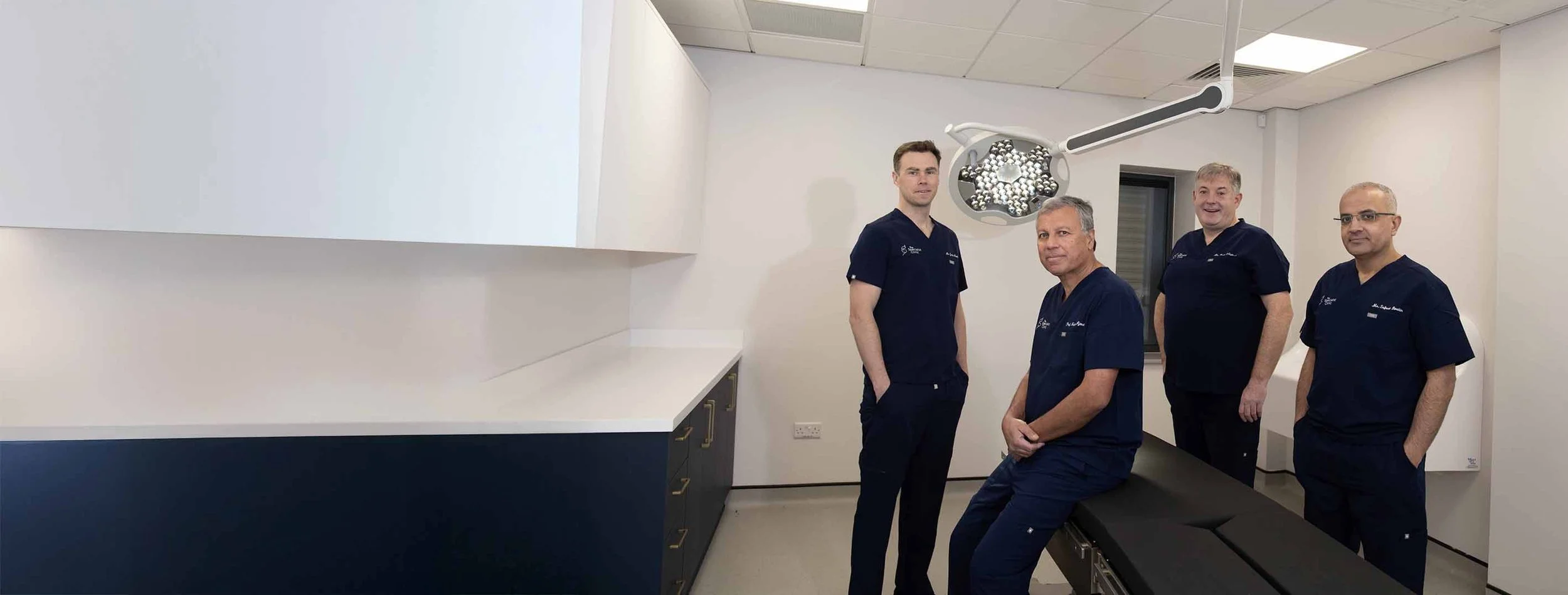
Plastic, Reconstructive & Aesthetic Surgery performed with Care and Compassion
Breast reconstruction is a significant decision that deserves careful consideration and unhurried discussion. Contact us to arrange a consultation, where we will assess your circumstances, explain all available options, and help you develop a plan that works alongside your cancer treatment.