

Rhinoplasty
Rhinoplasty surgically reshapes the nose to improve appearance, function, or both. Patients seek rhinoplasty for a wide range of reasons — dissatisfaction with nose size or shape, improving facial balance, correcting asymmetry, addressing breathing difficulties, repairing trauma, or revising a previous rhinoplasty. The procedure requires both technical precision and artistic skill, and is highly individualised to complement each patient's unique facial features.
What does a Rhinoplasty procedure involve?
Your surgeon will analyse your nasal anatomy, skin thickness, breathing function, facial proportions, and previous surgery or trauma before discussing realistic expectations. Computer imaging may be used to help visualise potential outcomes, though results cannot be guaranteed.
Two surgical approaches are used:
Open (external): A small incision across the columella (the tissue between the nostrils) allows the nasal skin to be lifted for direct visualisation. Provides maximum precision, particularly for complex cases and tip work.
Closed (endonasal): All incisions are made inside the nostrils. No external scar, with slightly less swelling, but more limited access. Suitable for simpler corrections.
Common techniques include dorsal hump reduction, tip refinement, bridge augmentation using cartilage grafts, nostril reduction (alarplasty), septoplasty to improve breathing, and osteotomy to narrow or straighten the nasal bones. Surgery takes two to four hours under general anaesthetic. A nasal splint is fitted after surgery.
Your Recovery
Swelling and bruising around the nose and eyes are expected for one to two weeks. The external splint is removed at five to seven days. Most bruising resolves within two weeks. Desk work and light activities are possible after one to two weeks. Strenuous activity, contact sports, and anything that risks bumping the nose should be avoided for six to eight weeks. Glasses should not rest on the bridge for six weeks. The majority of swelling resolves within three months, but subtle refinement — particularly at the tip — continues for up to twelve to eighteen months.
Risks and Complications
Infection (rare given excellent nasal blood supply)
Bleeding or haematoma
Asymmetry or unsatisfactory aesthetic result
Persistent nasal obstruction
Altered sense of smell (usually temporary)
Septal perforation (rare)
Collapse of nasal structures affecting breathing
Need for revision surgery — approximately ten to fifteen per cent of patients seek refinement
Frequently Asked Questions
What is the best age for rhinoplasty?
Surgery should be delayed until facial growth is complete — typically sixteen to seventeen for girls and seventeen to eighteen for boys. There is no upper age limit.
Will people know I had surgery?
A well-performed rhinoplasty looks natural. After two to three weeks, most people will notice you look better but will not necessarily know why.
Can rhinoplasty also improve my breathing?
Yes, many rhinoplasties address structural problems like a deviated septum or internal valve collapse to improve airflow alongside appearance.
What if I am not happy with the results?
Minor refinements through revision rhinoplasty are possible, but you must wait at least twelve months for complete healing before considering this.
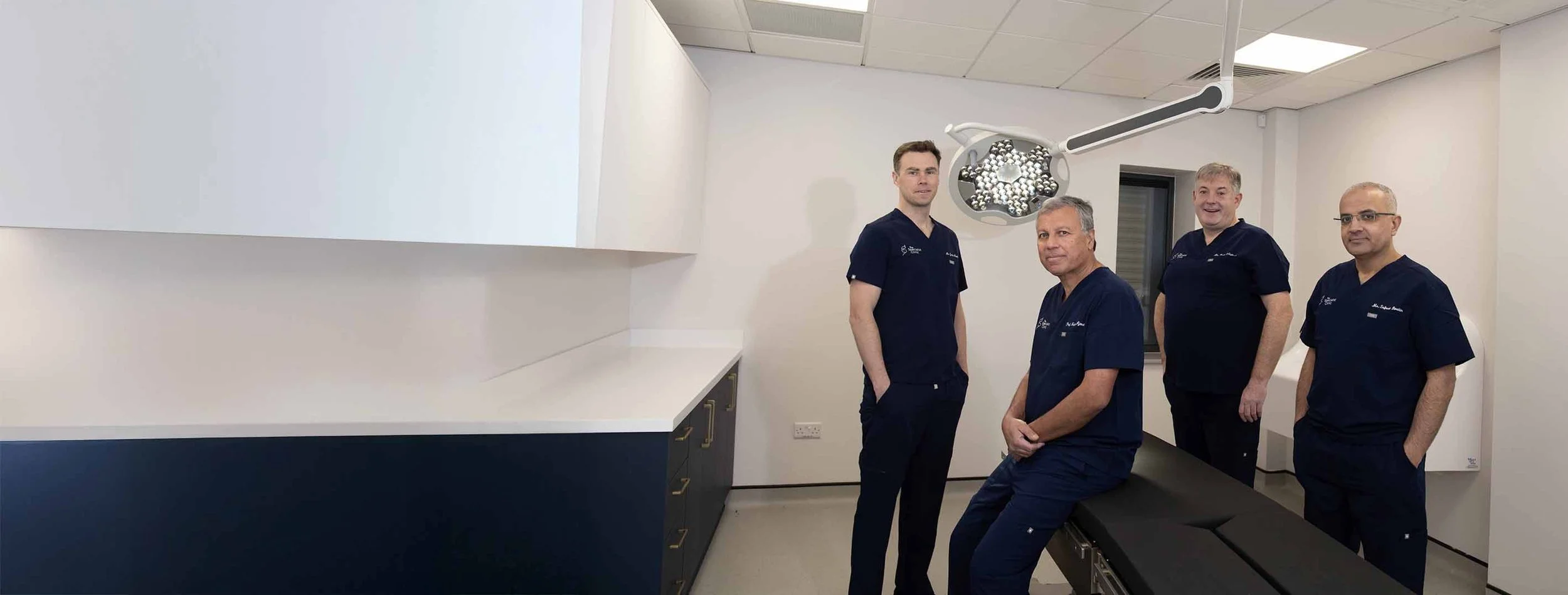
Plastic, Reconstructive & Aesthetic Surgery performed with Care and Compassion
To discuss rhinoplasty, contact us to arrange a consultation. We will take time to assess your anatomy, understand your goals, and ensure you have realistic expectations about what is achievable.