

Post Bariatric Body Contouring
Post-bariatric body contouring refers to a series of procedures designed to remove excess skin and reshape the body following significant weight loss, typically after bariatric surgery. Despite successful weight loss, many patients are left with loose, hanging skin that causes discomfort, hygiene problems, skin infections, and affects quality of life. Body contouring can address multiple areas including the abdomen, breasts, arms, thighs, buttocks, and face, and is typically performed in stages.
Timing and Preparation
Weight should be stable for at least three to six months before surgery, and most surgeons recommend waiting twelve to eighteen months after bariatric surgery. BMI should ideally be below thirty-two. Nutritional status must be optimised beforehand, with particular attention to protein, iron, and vitamins, as deficiencies after bariatric surgery can impair healing.
Common Post Bariatric Body Contouring Procedures
Body contouring after weight loss usually involves a combination of procedures planned and staged over one to two years. These include:
Lower body lift (circumferential body lift): Addresses the abdomen, flanks, lower back, and buttocks in one operation using a circumferential incision around the waistline. This is often the foundation procedure.
Extended abdominoplasty: For primarily abdominal and flank skin excess.
Brachioplasty (arm lift): Removes excess skin from the upper arms. An incision runs along the inner arm, and results can be dramatic for those troubled by the 'bat wing' appearance.
Medial thigh lift: Addresses inner thigh skin excess, reducing chafing and improving contour.
Breast surgery: Women often require a breast lift with or without implants; men may need breast reduction or lift.
Facelift and neck lift: For patients with significant facial skin laxity from volume loss.
Your Recovery
Recovery is significant and varies by procedure. Major body lifts require four to six weeks before returning to work and eight to twelve weeks before resuming normal activities. Hospital stays range from overnight to three to five days. Multiple drains are managed at home, and compression garments are worn for six to eight weeks. Most patients require two to four separate surgeries over twelve to twenty-four months.
Risks and Complications
• Infection or bleeding
• Seroma
• Wound healing problems
• Extensive scarring
• Skin necrosis (particularly in smokers or those with nutritional deficiencies)
• Deep vein thrombosis
• Lymphedema
• Asymmetry
• Need for revision surgery
Frequently Asked Questions
How many surgeries will I need?
Most patients require two to four procedures over one to two years to address all areas of concern. Combining too many at once increases risk.
Will the scars be very visible?
Yes, body contouring involves extensive scarring. Incisions are positioned strategically to be concealed by clothing, but scars are a trade-off for improved contour. Most patients find the improvement in shape worth this.
Can I get pregnant after body contouring?
While possible, it is generally recommended to complete your family first, as pregnancy can reverse results, particularly in abdominal procedures.
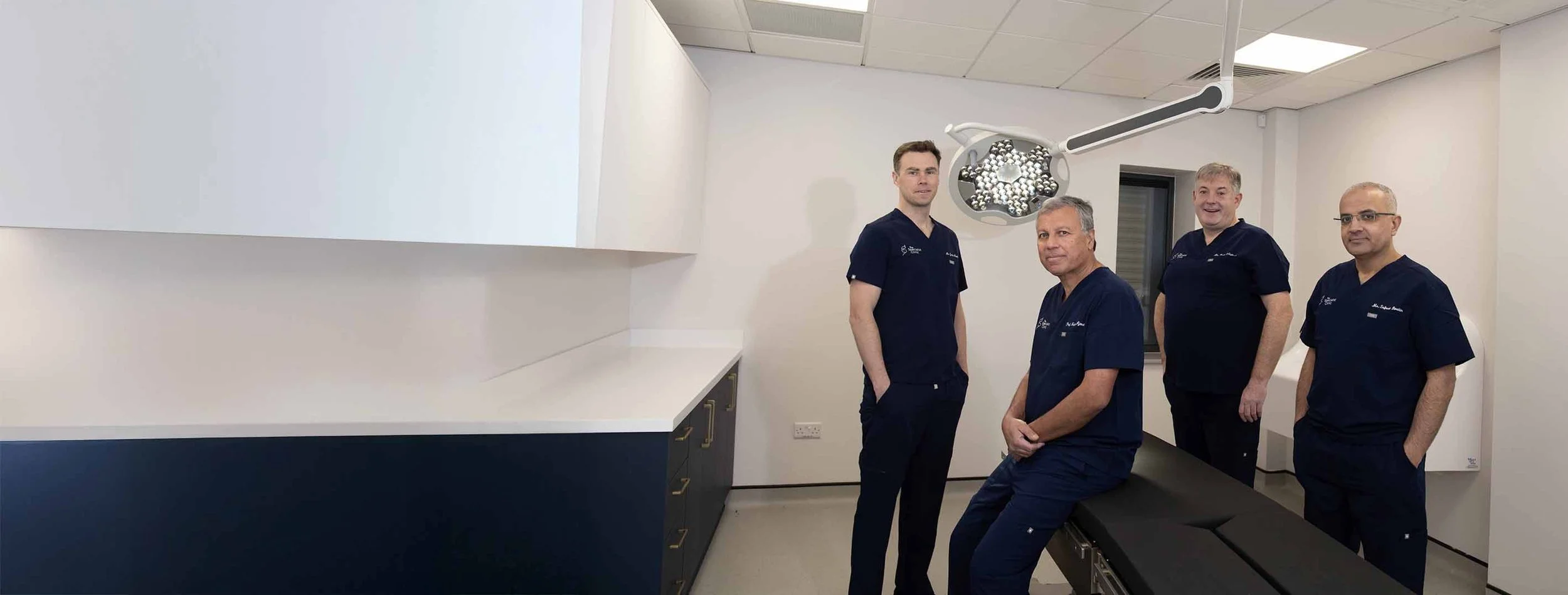
Plastic, Reconstructive & Aesthetic Surgery performed with Care and Compassion
Post-bariatric body contouring is a significant commitment requiring careful planning. Contact us to arrange a consultation, where we will review your weight loss journey, discuss all available procedures, and create a personalised surgical plan.